
Steel Billet Price Surge; Is the Rebar Market on the Verge of a New Wave of Price Increases?
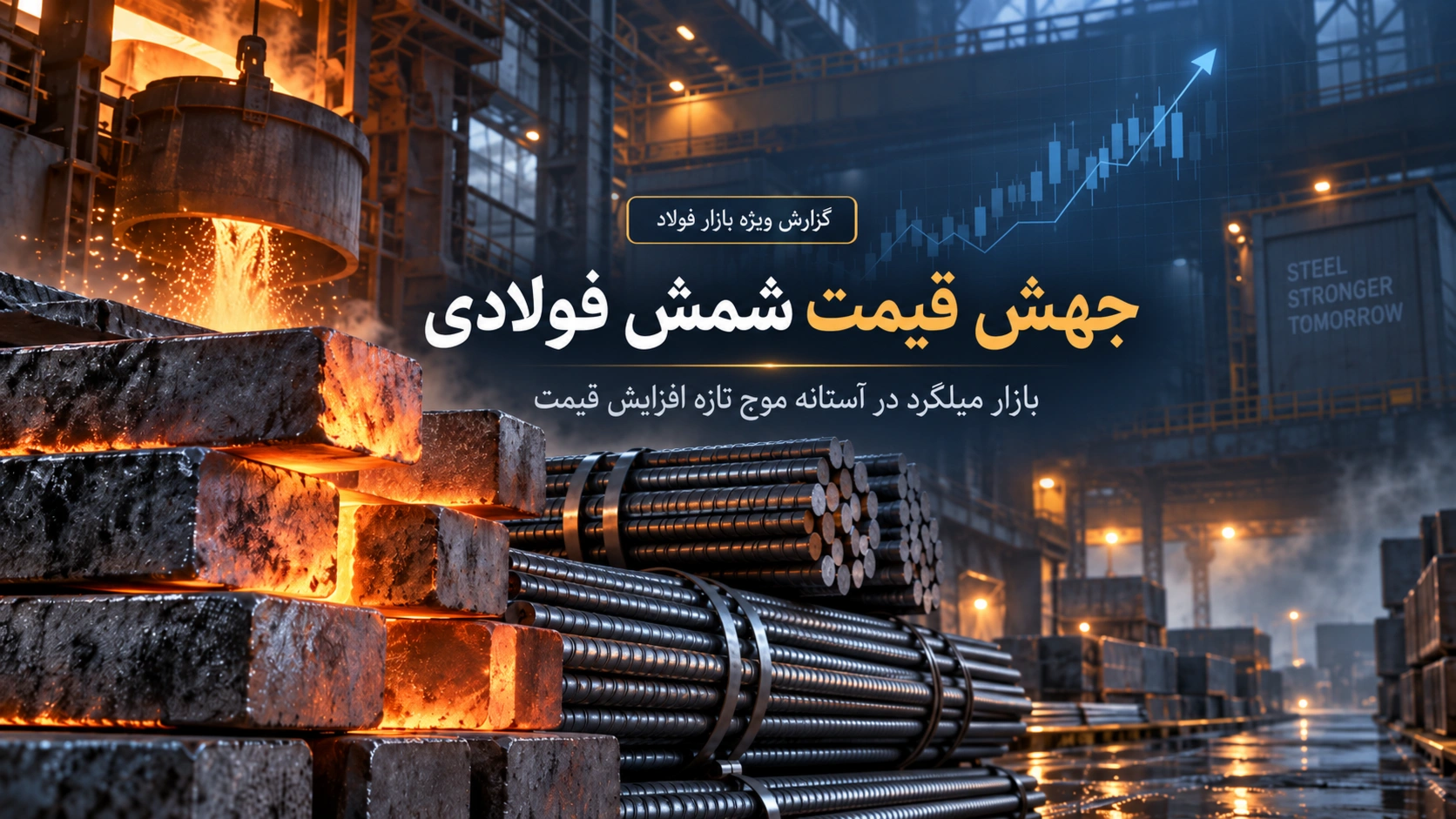
The most important signal in the market these days is the surge in steel billet prices, a product whose price directly affects the production costs of rebar and other long steel products.
In the September 7, 2026 (16 Shahrivar) trading session on the Iran Mercantile Exchange, approximately 75,652 tons of steel billet were offered, and including matching transactions, the entire volume was traded.
The weighted average billet price in these transactions reached approximately 72,752 tomans per kilogram, representing a significant increase compared with the previous week.
This increase is highly significant for the rebar market, as higher billet procurement costs could prompt rolling mills to adjust the prices of their finished products.
The upward pressure has not been limited to the billet market, as the price of sponge iron has also experienced a noticeable increase in recent transactions.
Rising raw material prices at the beginning of the steel supply chain indicate that the production costs of finished products continue to increase.
Meanwhile, energy restrictions and power outages affecting steel industries remain among the main challenges facing producers and could affect supply volumes.
In the rebar market today, despite rising production costs, price movements are still not entirely uniform, with some mills announcing unchanged prices or only limited adjustments.
One reason for this situation is weak real demand in the construction and infrastructure sectors, which has prevented the full increase in costs from being passed on to end consumers.
As a result, the steel market is currently facing a situation in which production costs and raw material prices are rising, while consumer purchasing power remains limited.
Under these conditions, the price of steel billet on the Iran Mercantile Exchange has become one of the most important indicators for forecasting rebar prices in the coming days.
If billet and sponge iron prices remain at elevated levels in subsequent trading sessions, the likelihood of higher price quotations from rebar manufacturers will increase.
However, continued stagnation in the construction market could slow the pace of price increases and prevent the formation of a fully synchronized upward wave.
Market participants are now paying closer attention not only to daily rebar prices, but also to commodity exchange trading trends, energy costs, mill supply volumes, and foreign exchange market conditions.
The simultaneous increase in raw material costs and production constraints could place further pressure on the current balance of the Iranian steel market in the coming weeks.
Overall, the rebar market in mid-Shahrivar 1405 is at a sensitive point, where continued growth in billet prices could alter the direction of steel product prices.
For buyers and construction industry participants, daily monitoring of rebar prices, steel billet prices, and commodity exchange transactions has become more important than ever under these conditions.