
Iran Steel Prices November 3, 2026 | Sheets Outpace Rebar
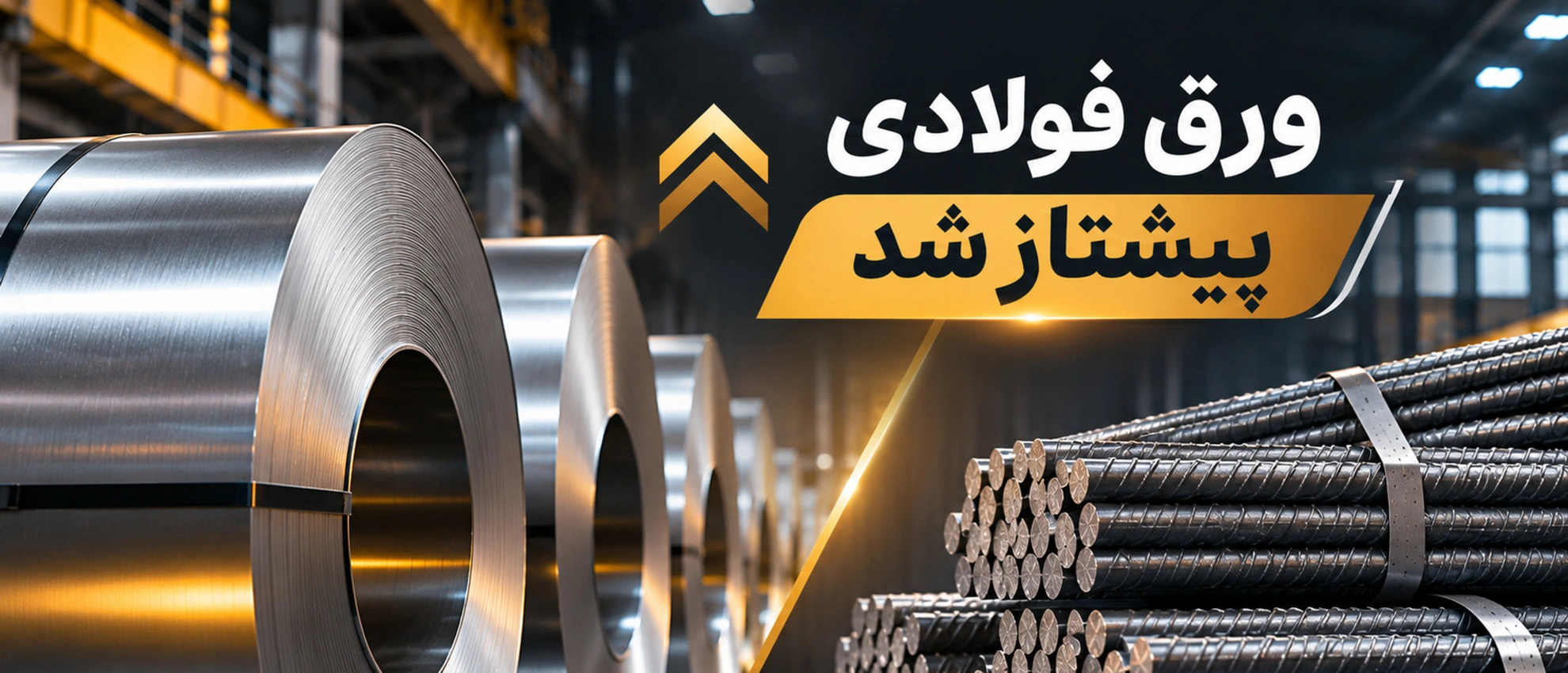
Steel Sheet Prices Outpace Rebar as Iran's Steel Market Shows Diverging Trends
Iran's steel market displayed different pricing trends on November 3, 2026, as weekly steel sheet quotations increased more rapidly than rebar prices.
While several domestic rebar products remained relatively stable in daily market reports, broader weekly price tracking indicated continued increases across major steel categories.
The difference highlights the importance of evaluating individual steel products rather than treating the entire Iranian steel market as a single pricing segment.
Steel Sheet Prices Lead Weekly Gains
According to a weekly report published by Iranian steel-price tracking platform Sitahan, the steel sheet category recorded an average increase of approximately 5.13% during the week ending November 3.
The rebar category, by comparison, increased by approximately 1.5%.
This represents a difference of about 3.6 percentage points between the two product categories.
Structural steel beams increased by approximately 3.3%, while steel profiles recorded an average gain of around 3.5%.
The figures reflect a range of monitored products and specifications, not a universal price increase for every steel sheet or rebar grade.
Iran Steel Market Records Broad Weekly Increases
The same weekly report covered 1,409 monitored products and showed an overall average price increase of approximately 3.53%.
Among these products, 1,035 recorded higher quotations, 26 declined and 348 remained unchanged.
This suggests that upward price movements were widespread across the platform's monitored listings.
However, the data should not be interpreted as an official nationwide transaction index.
Individual steel categories can behave differently depending on inventory, demand, manufacturing costs and supplier conditions.
Latest Iran Rebar Prices on November 3, 2026
Daily reports from the Iranian construction materials market showed relative stability in many rebar quotations.
Nishabur's 16 mm A3 ribbed rebar was quoted at 110,000 Iranian tomans per kilogram.
Aryan Steel's 18 mm A3 rebar stood at 117,730 tomans per kilogram.
Esfahan Steel's 12 mm A3 rebar was reported at 120,910 tomans per kilogram.
Meanwhile, Qaim Razi's 12 mm A3 rebar increased by 5,000 tomans to 121,450 tomans per kilogram.
Kaveh Tikmeh Dash's 10 mm A3 rebar also recorded a smaller increase of 300 tomans, reaching 115,820 tomans.
These figures refer to specific products and published market quotations rather than a single nationwide rebar benchmark.
Why Are Steel Sheet and Rebar Prices Moving Differently?
Steel sheets and rebar serve different industrial and construction markets.
Rebar demand is closely associated with residential construction, infrastructure projects and reinforced concrete applications.
Steel sheets, on the other hand, are widely used in industrial equipment, automotive manufacturing, pipes, profiles and fabricated metal products.
Differences in customer demand, product availability and production costs may contribute to separate pricing trends.
Nevertheless, the available weekly figures do not establish a definitive cause for the stronger performance of the sheet category.
The category also includes different sheet types and specifications, which can influence its reported average.
Structural Steel Prices Remain Relatively Stable
Daily reports for November 3 indicated limited changes across several structural steel products.
The normal size 18 beam increased by 1,000 tomans to 122,727 tomans per kilogram.
Fayko's size 14 beam was quoted at 118,636 tomans, while its size 18 beam stood at 119,545 tomans.
Esfahan Steel's size 18 beam was listed at 143,640 tomans per kilogram.
Such differences demonstrate why buyers must compare equivalent specifications, weights and delivery conditions.
Steel Billet Costs and Production Economics
Steel billet remains a major input for Iranian rebar manufacturers.
Changes in billet procurement costs can influence the operating expenses of rolling mills.
Energy, transportation, labor and production capacity also contribute to the final cost of steel products.
However, producers' ability to pass higher costs on to customers depends on purchasing activity and competitive conditions.
For this reason, higher production costs do not necessarily translate into immediate increases in all finished steel prices.
Iran Steel Market Outlook for November 2026
The near-term direction of Iran's steel market will depend on raw material costs, factory supply and demand from construction and manufacturing industries.
If purchasing activity remains cautious, selected rebar prices may continue to show relative stability.
Conversely, rising production costs or reduced product availability could support higher quotations.
For steel sheets, market participants should monitor individual product grades rather than assuming that the weekly category average will continue at the same pace.
Conclusion
Iran's steel market is moving at different speeds across major product categories.
During the week ending November 3, monitored steel sheet prices increased by approximately 5.1%, compared with around 1.5% for rebar.
At the same time, daily rebar and structural steel quotations showed mostly limited changes.
Steel traders, construction companies and regional importers should compare manufacturers, technical specifications, payment terms and logistics costs before making purchasing decisions.
Frequently Asked Questions
Are Iranian rebar prices increasing?
The monitored rebar category increased by approximately 1.5% over the week, while many daily quotations remained relatively stable on November 3.
Why did steel sheet prices rise faster than rebar?
Differences in product demand, inventories and manufacturing costs may contribute, but the available data do not establish one definitive cause.
What factors influence Iran's steel market outlook?
Steel billet costs, energy availability, factory production, transportation and purchasing demand remain important factors.