
Iran Rebar Price Today | 122,000 Tonnes of Steel Offered on IME
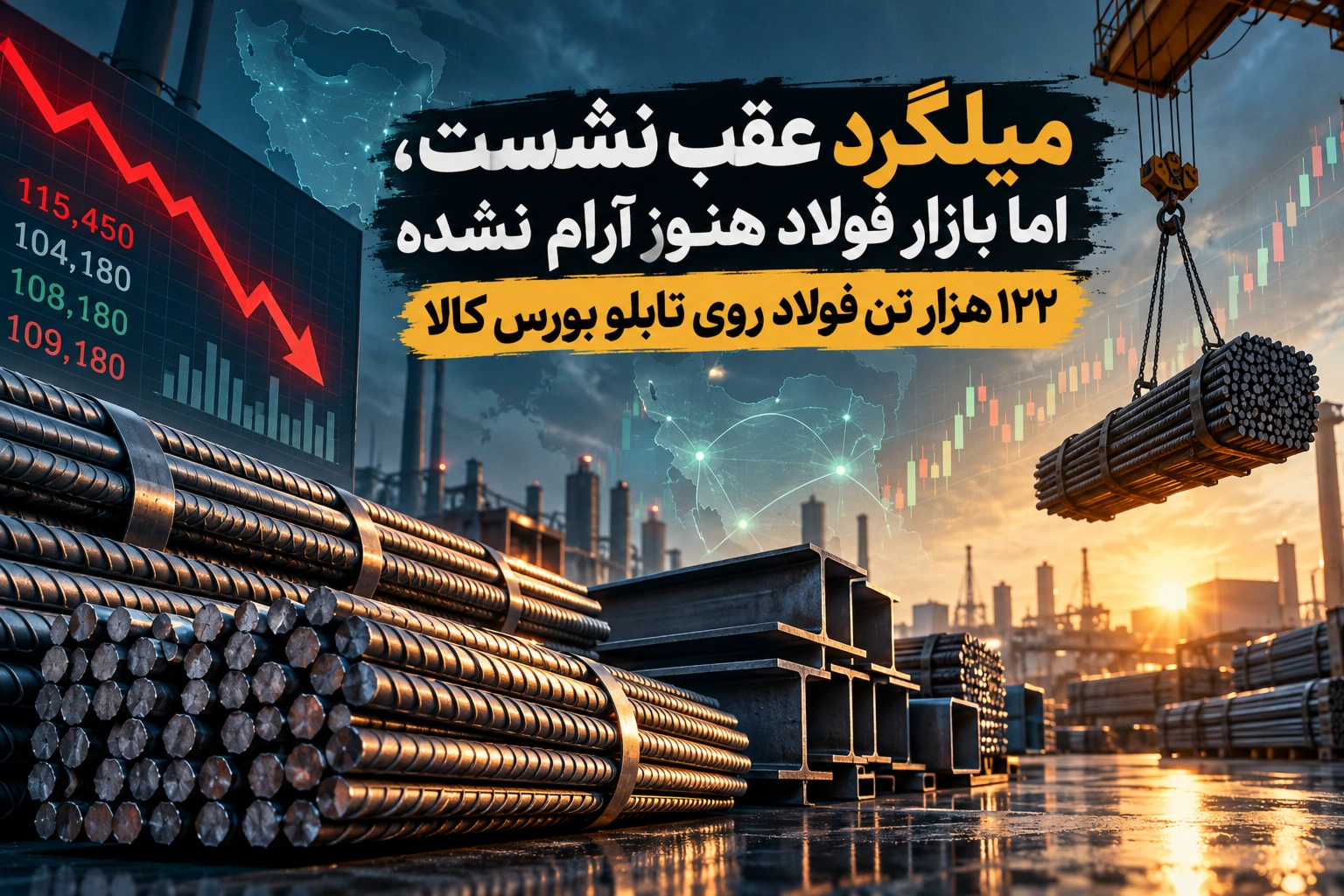
Iran Rebar Prices Pull Back as 122,000 Tonnes of Steel Hit the Exchange
The Iran steel market on October 14, 2026 is showing a notable change in momentum. Rebar and structural steel prices have started to correct after the sharp rally seen earlier this month, but rising exchange rates and elevated upstream costs are preventing a deeper decline. vananews.com
Latest Iran rebar prices today show Kashan 18 mm A3 rebar falling by around 2,000 tomans to approximately 115,450 tomans per kilogram. Ghaem Razi 12 mm rebar declined by about 3,000 tomans to 104,180 tomans, while Arian Foolad and Kaveh Tikmehdash products remain in the 108,000–109,000 toman range. vananews.com
The correction suggests that buyers are becoming increasingly resistant to the high price levels reached during the recent rally. Limited liquidity and weaker construction-sector purchasing power are now playing a larger role in the finished-steel market.
Iran Mercantile Exchange data show the same shift. The weighted average rebar price reached 104,580 tomans per kilogram earlier in October but later eased to approximately 102,194 tomans, indicating that part of the previous surge is being unwound. vananews.com
Supply is also unusually strong today. The industrial and mining hall of the Iran Mercantile Exchange is offering 122,786 tonnes of steel products, while total commodity offerings across all exchange halls exceed 456,000 tonnes. madannews.ir
This large supply provides an important test of real downstream demand. Softer bidding could extend the correction in Iran steel prices, while strong absorption would indicate that buyers are still willing to accept relatively high market levels.
Upstream costs remain the main support for finished-steel prices. The latest published weighted average steel billet price in Iran stood at approximately 87,477 tomans per kilogram, about 9.6% higher week on week, with virtually all offered volume sold. Chilan Online
Rebar base prices on the exchange are also directly linked to billet transactions, meaning that a sustained decline in finished rebar prices will be difficult unless billet costs begin to soften as well. Chilan Online
Currency conditions are adding another layer of support. Iran’s official remittance dollar rate increased to 180,556 tomans today, while the euro and UAE dirham also moved higher. Currency movements can influence replacement costs, export economics and market expectations across the steel supply chain. madannews.ir
The Iranian iron and steel market is therefore being pulled in two opposite directions: weaker downstream demand is pressuring prices lower, while high billet costs and currency levels are creating a floor beneath the market.
Overall, the market appears to be in a consolidation and price-discovery phase rather than a confirmed downtrend. Rebar prices, billet costs, Iran Mercantile Exchange demand and currency movements will remain the key indicators for the next major move