
Iran Rebar Prices Fall on October 27, 2026 | Steel Market Analysis
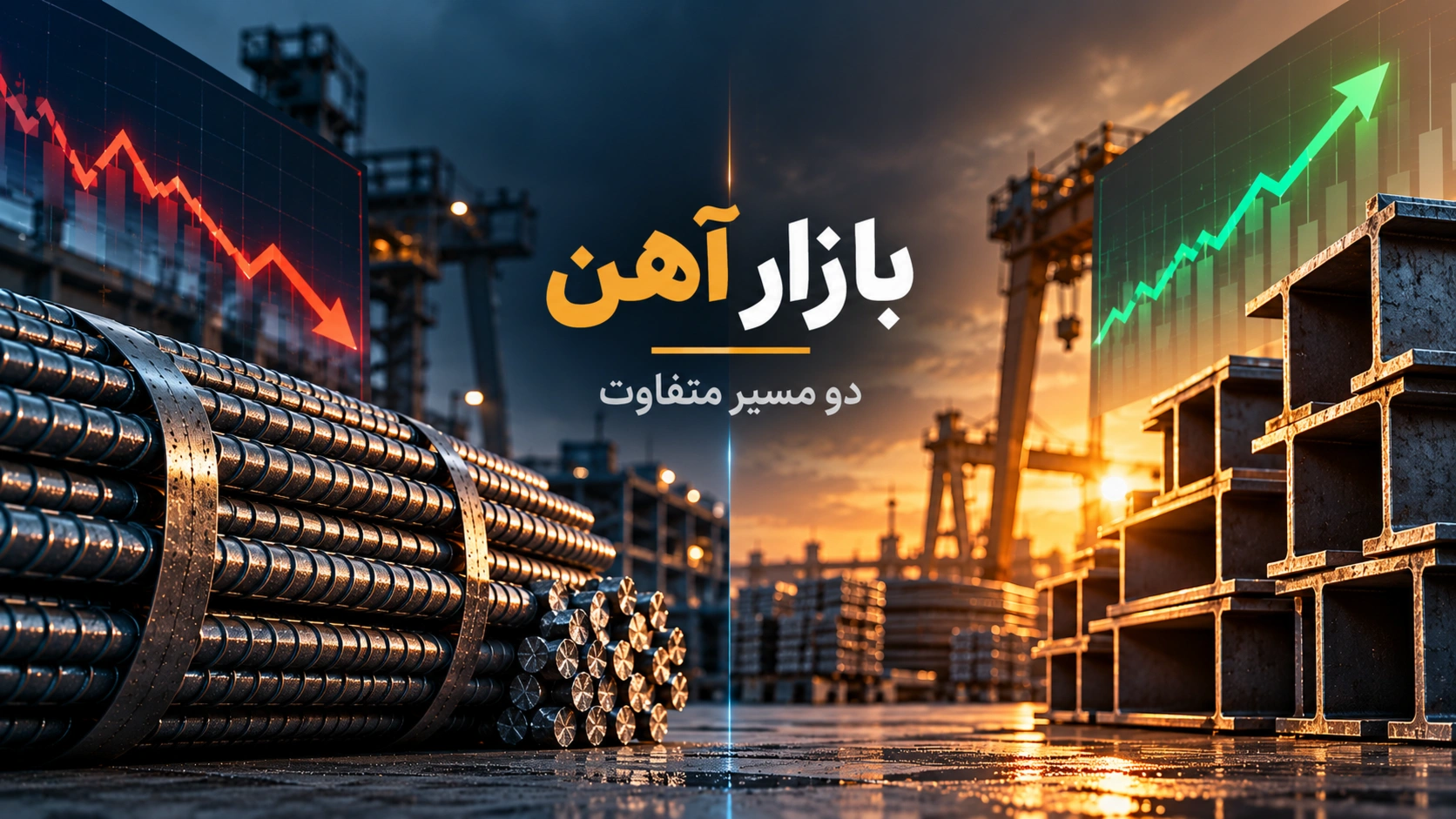
Iran Rebar Prices Decline Despite Weekly Gains Across the Steel Market
Iran's steel market showed mixed price movements on October 27, 2026, as several rebar products recorded noticeable declines following recent increases.
The latest market quotations indicate that selected construction steel products became cheaper, even though broader weekly data continued to show positive price movements.
This contrast highlights the importance of distinguishing short-term price corrections from longer-term market trends.
Latest Rebar Prices in Iran
According to market reports published on October 27, Nishabur's 16 mm A3 ribbed rebar declined by 9,000 Iranian tomans to 109,090 tomans per kilogram.
Qaim Razi's 12 mm A3 rebar also recorded a decrease of 9,000 tomans, reaching 112,360 tomans per kilogram.
Meanwhile, the reported quotation for Aryan Steel's 18 mm A3 rebar stood at 110,910 tomans per kilogram.
Esfahan Steel's 12 mm rebar was quoted at 124,090 tomans per kilogram, while Bafgh Yazd's 16 mm A3 rebar declined by 1,000 tomans to 112,270 tomans.
These prices refer to specific manufacturers and product grades rather than a single nationwide benchmark.
Why Are Some Rebar Prices Falling?
Rebar quotations are influenced by several factors, including purchasing activity, supplier inventory, production costs and competition among steel distributors.
After a period of rising prices, some buyers may delay purchases while assessing whether the market will stabilize.
Under such conditions, suppliers may adjust their quotations to attract orders or maintain sales volumes.
However, the available price reports do not establish a definitive cause for each manufacturer's adjustment.
Weekly Steel Prices Remain Higher
A weekly market report released on October 27 by Iranian steel-price tracking platform Sitahan showed an average increase of 3.99% across 1,409 monitored products.
Of these products, 1,047 recorded higher prices, 99 declined and 263 remained unchanged.
The rebar category posted an average weekly gain of approximately 4.5%.
Steel profiles increased by about 5.6%, steel sheets by 3.8% and structural beams by 3.1%.
These figures represent the platform's monitored product quotations, not an official nationwide steel market index.
Structural Steel Prices Show Mixed Performance
Iran's structural steel market also experienced different price movements across manufacturers.
The reported quotation for Esfahan Steel's size 18 I-beam declined by 2,000 tomans to 143,640 tomans.
In contrast, the size 14 Eshtehard beam increased by 4,000 tomans to 118,181 tomans.
The size 18 normal beam also recorded a 2,000-toman increase, reaching 122,727 tomans.
Such differences reinforce the need to compare steel prices using equivalent specifications, suppliers and delivery conditions.
How Steel Billet Prices Influence Rebar
Steel billet remains one of the most important inputs for rebar production.
Higher billet procurement costs can increase the operating expenses of rolling mills, while currency movements, energy expenses and transportation costs can create additional pricing pressure.
Nevertheless, producers may not be able to pass every cost increase on to customers, particularly when construction-sector demand remains limited.
The relationship between billet and finished rebar prices therefore depends on both production costs and market demand.
Iran Steel Market Outlook for November 2026
The next direction of Iranian rebar prices will depend on raw material costs, purchasing volumes and manufacturers' pricing decisions.
If demand strengthens while billet costs remain elevated, steel producers may attempt to increase selling prices.
Conversely, cautious buying activity could encourage price stability or further corrections in selected products.
A single day of lower quotations is not sufficient evidence of a broad downward trend.
Conclusion
Iran's steel market is currently displaying different short-term and weekly price signals.
Although selected rebar products became cheaper on October 27, broader monitored prices remained higher over the preceding week.
For construction companies, steel traders and international buyers, comparing product specifications, factory quotations, delivery terms and actual purchasing costs remains essential.
Frequently Asked Questions
Did Iranian rebar prices fall on October 27, 2026?
Yes. Selected products, including Nishabur and Qaim Razi rebar, recorded decreases of 9,000 tomans per kilogram.
Is Iran's steel market entering a downward trend?
Not necessarily. Recent daily corrections coexist with positive weekly price movements.
What affects Iranian rebar prices?
Major factors include steel billet costs, currency movements, manufacturing expenses, transportation and construction-sector demand.