
Iran Steel Market: Billet Export Prices and Rebar Outlook
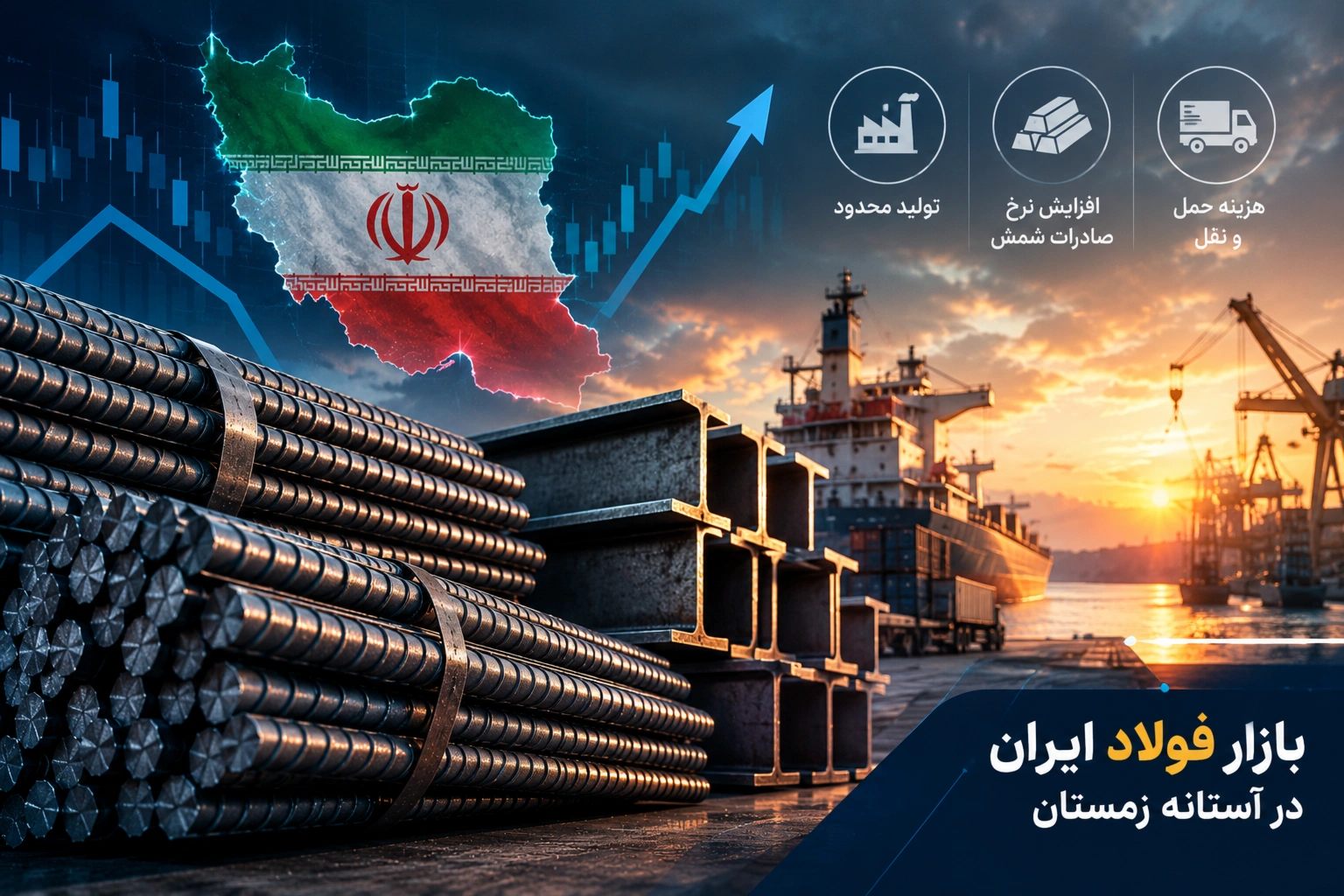
Iran Steel Market Outlook: Billet Export Offers Rise Amid Production Constraints
The Iranian iron and steel market is entering the final days of October 2026 with a notable shift in export pricing. Recent market assessments indicate that Iranian billet export offers have moved higher, although this development should not automatically be interpreted as evidence of a broad recovery in steel demand. Supply restrictions, energy shortages and rising logistics costs are playing a significant role in shaping current market conditions.
Iranian Steel Billet Export Offers Move Higher
According to a Shanghai Metals Market (SMM) assessment published on October 23, Iranian billet export offers increased by approximately $10 per tonne week on week, reaching a range of $418–430 per tonne FOB. The report also recorded a 30,000-tonne deal at $418 per tonne FOB and a separate 20,000-tonne order for 3SP billet at $424 per tonne.
These figures relate to export offers and reported transactions, rather than a single benchmark for all steel products in Iran's domestic market. Nevertheless, the upward movement suggests that tighter availability is influencing Iranian suppliers' pricing strategies in overseas markets.
Energy Shortages Reshape Steel Supply
Power and natural gas constraints remain important challenges for Iranian steel producers. According to the SMM report, some mills have reduced output, scheduled maintenance or retained billet for their own rolling operations instead of making the material available for export.
Such measures can reduce the volume of exportable steel and support higher offers. However, a price increase driven by supply restrictions does not necessarily indicate stronger end-user demand. Prices may rise even in a cautious market when available supply contracts faster than purchasing interest.
Iraq Remains an Important Regional Market
Iraq, including the Kurdistan Region, remains a relevant destination for regional steel trade. SMM reported small-volume overland billet deals to northern Iraq at approximately $425–430 per tonne FCA border.
For companies involved in Iranian steel exports, these developments highlight the importance of monitoring regional trade flows. Yet export competitiveness depends on more than the headline price. Freight, delivery schedules, payment terms, product specifications and the ability to maintain consistent supply all influence whether a proposed transaction becomes commercially viable.
Freight Costs Add Pressure to Export Economics
Shipping conditions are another factor affecting steel trade calculations. SMM reported that freight rates on the Oman route had risen to approximately $25–30 per tonne following heightened regional tensions.
Higher freight charges can narrow exporters' margins and make buyers more cautious when comparing suppliers. Consequently, an assessment of Iranian billet export prices should also consider the delivered cost of steel, rather than focusing exclusively on the FOB quotation.
Global Steel Demand Remains Fragile
The international outlook continues to point to a gradual rather than immediate recovery. In its October 2026 forecast, the World Steel Association projected global steel demand at approximately 1.722 billion tonnes for 2026, broadly unchanged from the previous year. Demand is forecast to increase by 1.7% in 2027, reaching around 1.752 billion tonnes.
The association also expects Chinese steel demand to decline by about 2% in 2026, reflecting continued weakness in the property sector and subdued infrastructure investment. These conditions suggest that regional price increases should be assessed carefully and should not be treated as proof of a sustained global uptrend.
What Does This Mean for Iran Rebar Prices?
Steel billet is a major input in rebar production, so changes in billet costs can influence finished steel prices. However, the direction of the Iran rebar price market also depends on domestic demand, exchange rates, energy expenses, transport costs and producers' available inventories.
For this reason, anyone tracking the Iran rebar price today should compare current mill quotations and domestic trading conditions alongside billet trends. Higher export offers may provide some cost support to rebar producers, but weak domestic purchasing activity can limit how much of that increase is passed through to end customers.
Conclusion: Supply Pressure Is Not the Same as Demand Recovery
The main feature of the Iranian steel market in late October 2026 is the contrast between rising billet export offers and a still-cautious global demand environment. Energy-related production restrictions and higher freight costs are supporting export prices, while weak demand and buyer affordability remain important risks.
For steel traders, producers and exporters, decisions should therefore be based on a combined assessment of billet and rebar prices, delivery costs, exchange-rate movements and actual purchasing activity. Monitoring these factors together offers a more reliable view of market opportunities than relying on price movements alone.