
Iran Rebar Price Today | 109,000 Tonnes of Steel Billet Offered on IME
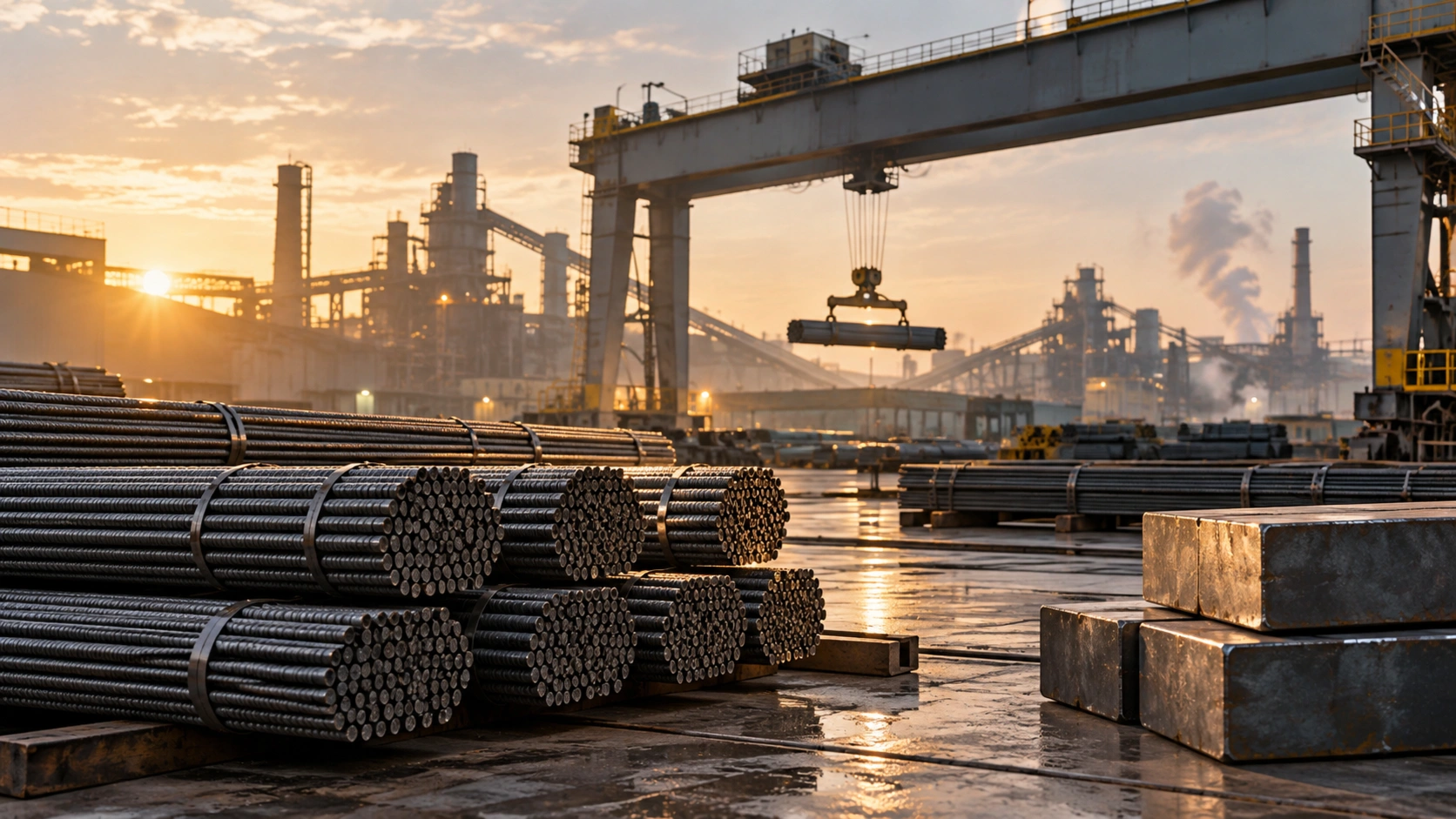
Iran Steel Market Update: 109,000 Tonnes of Billet Offered as Rebar Prices Continue to Rise
The Iran steel market on September 30, 2026 is sending two important signals. While more than 109,000 tonnes of steel billet have been offered on the Iran Mercantile Exchange, prices for several key rebar products have continued to move higher. This suggests that supply alone is no longer determining the direction of finished-steel prices. Madan News
According to the latest exchange offering notice, approximately 109,300 tonnes of bloom billet were scheduled for sale, including 107,950 tonnes of 150 mm billet as well as smaller volumes of 120 mm, 125 mm and 130 mm material. The size of the offering makes the session an important test of actual demand from Iranian rolling mills. Madan News
At the same time, rebar prices in Iran have strengthened in several major products. Nishabur 16 mm A3 rebar increased by around 3,000 tomans to approximately 91,820 tomans per kilogram, while Esfahan Steel’s 12 mm A3 rebar rose by roughly 1,200 tomans to around 104,090 tomans per kilogram. Vana News
The important point is that the latest rise in rebar prices does not appear to be driven solely by stronger construction demand. End-user demand remains relatively weak, while currency movements, replacement costs and inflation expectations are making suppliers more reluctant to cut their quotations. Vana News
This means that the relationship between steel billet prices and rebar prices has become more complex. Energy costs, transportation, inventory replacement, foreign-exchange movements and export economics can all influence the final price offered by mills and distributors.
Today’s billet offering also includes several major Iranian steel producers, including Jahan Foolad Sirjan, South Kaveh Steel, Khouzestan Steel, Chadormalu and Arfa Iron & Steel. Differences in base prices and payment terms could influence competitive bidding and provide new pricing signals for the wider market. Bourse24
For the coming sessions, traders will closely monitor billet transaction results on the Iran Mercantile Exchange, currency movements and real demand from the construction sector. Strong demand for billet despite the large offering could provide additional support for finished-steel prices.
On the other hand, weak bidding for billet combined with continued softness in construction demand could reduce upward pressure on the market. This is why the next direction of the Iran steel market is likely to depend on several variables rather than billet supply alone.
Overall, the Iranian iron and steel market has entered a sensitive price-discovery phase. The combination of heavy billet supply and rising selected rebar prices shows that market expectations and replacement costs remain powerful forces.
For steel buyers, contractors and traders, closely following Iran rebar prices, steel billet prices and Iran Mercantile Exchange transactions will remain essential over the coming days