
Iran Rebar Price Today | 52,000 Tonnes of Rebar Offered on IME
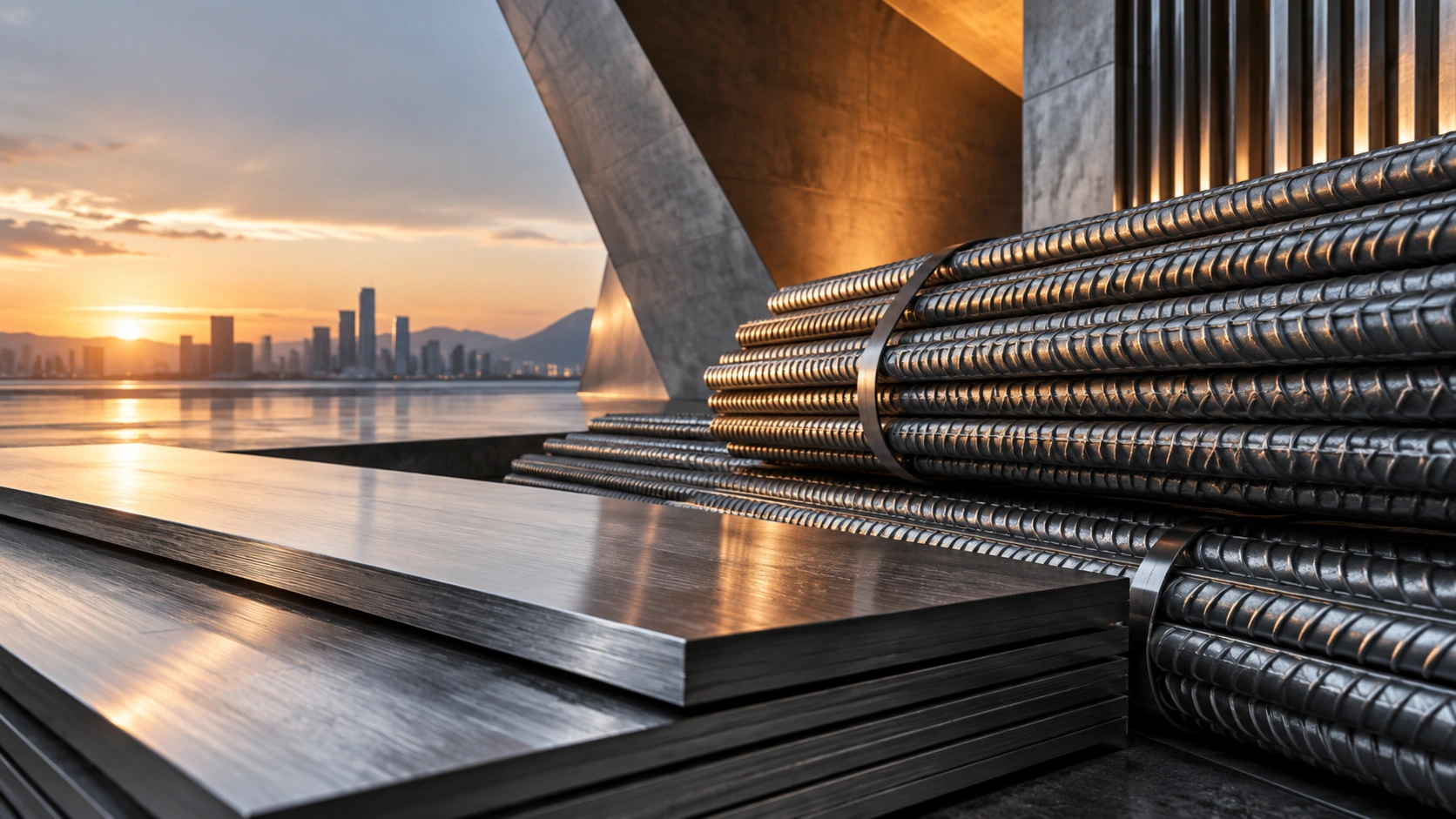
Iran Steel Market Pauses After Sharp Rally as 52,000 Tonnes of Rebar Hit the Exchange
The Iran steel market on October 7, 2026 is showing a calmer tone after several days of sharp price increases. However, the slowdown does not yet represent a clear price reversal, as many rebar quotations remain close to the elevated levels reached earlier this week. تجارت نیوز
Iran rebar prices stabilize at high levels
Esfahan Steel’s 12 mm A3 rebar remains around 125,000 tomans per kilogram, while Kashan 18 mm A3 is quoted near 119,550 tomans and Ghaem Razi 12 mm rebar around 117,820 tomans. Anahita Guilan’s 14 mm A3 product increased by roughly 1,800 tomans to 110,910 tomans per kilogram. تجارت نیوز
The latest Iran rebar price today data suggest that the market has entered a short consolidation phase rather than a clear correction. High replacement costs and elevated upstream prices are still making suppliers reluctant to reduce quotations significantly. تجارت نیوز
A key development today is the offering of 52,363 tonnes of rebar on the Iran Mercantile Exchange. Buyer participation and bidding intensity will be closely watched because they could provide one of the clearest signals for the direction of the market in the coming sessions. madannews.ir
The industrial and mining hall is hosting a total of approximately 112,263 tonnes of steel products, including 51,800 tonnes of slab, 52,363 tonnes of rebar and 8,100 tonnes of hot-rolled steel. This sizeable supply gives the market an important opportunity to test actual downstream demand. madannews.ir
If most of the rebar volume attracts aggressive bidding, current price levels could remain supported or even move higher again. Weaker competition, on the other hand, could indicate growing resistance from buyers after the recent price surge.
Currency conditions also remain supportive of steel prices. Iran’s official remittance dollar rate rose to 177,340 tomans today, while the euro and UAE dirham also moved higher. Rising exchange rates can influence replacement costs and price expectations throughout the steel supply chain. madannews.ir
For this reason, the calmer tone in the Iran steel market should not yet be interpreted as the end of the upward cycle. The market is now assessing whether recent price gains can be sustained by real demand and production costs.
The result of today’s Iran Mercantile Exchange trading will therefore be especially important. Rebar sales volume, bidding competition, currency movements and future steel billet prices will help determine whether the market enters a stable phase or begins another upward move.
Overall, the Iran iron and steel market is currently in a price-discovery period. Prices remain high, supply is significant and buyers are becoming more selective, making the next few trading sessions particularly important.