
Iran Rebar Price Today | Billet and DRI Prices Jump 12.5%
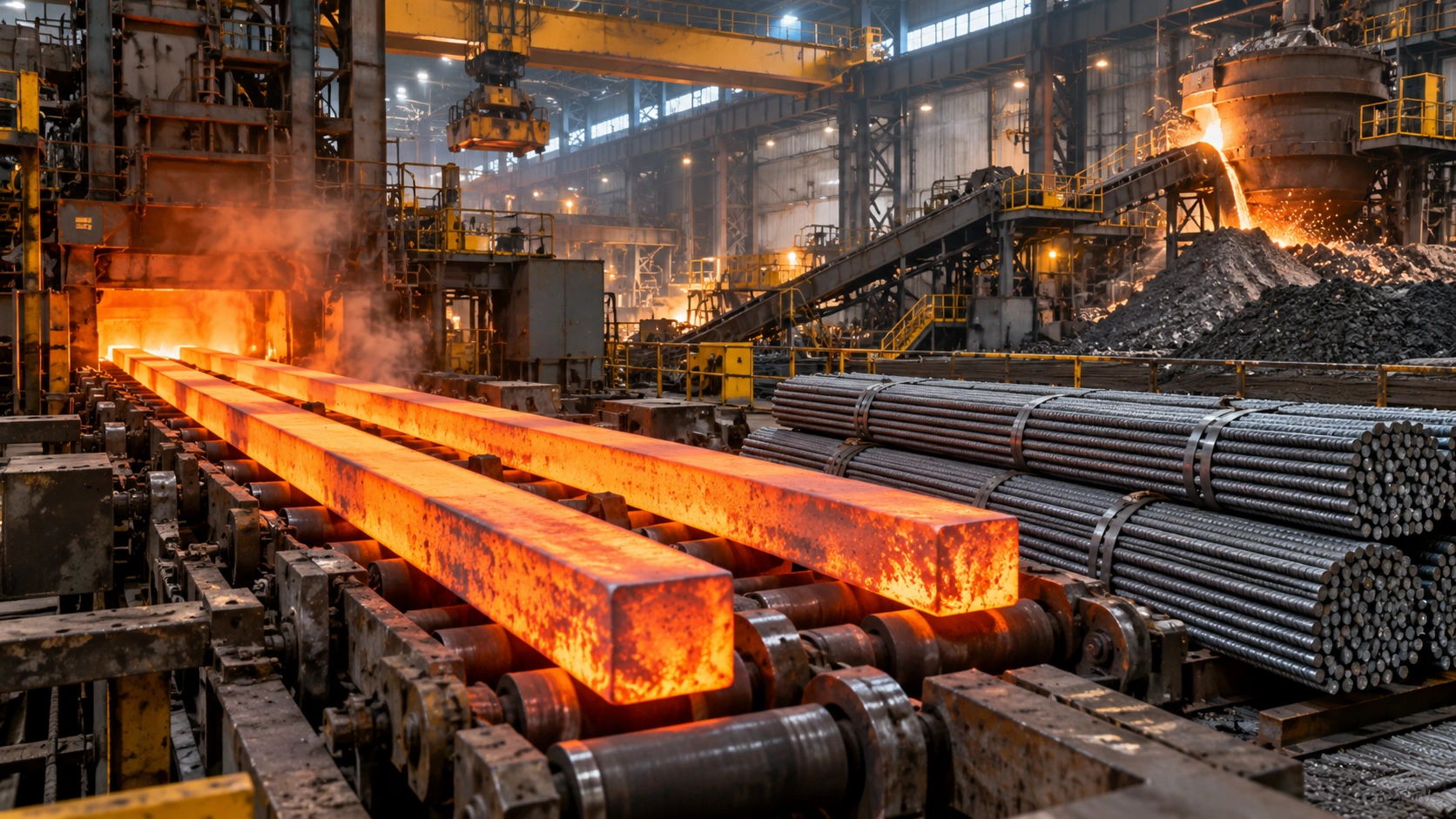
Iran Steel Market Under New Pressure as Billet and DRI Prices Jump 12.5%
The latest trading data indicate that the Iran steel market has entered October under renewed cost pressure. During the week of September 26–30, more than 955,000 tonnes of steel-chain products were offered on the Iran Mercantile Exchange, with approximately 802,000 tonnes sold, representing an absorption rate of nearly 84%. EA Investment
The strongest signal came from upstream products. All 93,500 tonnes of direct reduced iron (DRI) offered were sold, while the weighted average DRI price climbed to around 41,500 tomans per kilogram, a 12.5% weekly increase. EA Investment
A similar movement was recorded in the Iran steel billet market. The entire 75,800-tonne billet offering was sold, while the weighted average billet price increased to approximately 79,841 tomans per kilogram, also up 12.5% from the previous week. EA Investment
This sharp increase matters for rebar producers because billet is one of the main cost components for rolling mills. If billet prices remain elevated, producers will have less room to reduce finished-steel quotations.
Latest Iran rebar prices also point to continued upward pressure. Esfahan Steel's 12 mm A3 rebar recently moved to around 107,730 tomans per kilogram after an increase of approximately 3,500 tomans, while several other mills also raised quotations. Vana News
However, demand across the finished-steel market remains uneven. Only around 800 tonnes of the 5,900 tonnes of alloy rebar offered on the exchange were sold last week, representing less than 14% of available supply. This suggests that higher raw-material prices are not yet being matched by equally strong end-user demand. EA Investment
Structural steel prices are showing similar upward pressure. Esfahan Steel's 16 beam is trading around 113,670 tomans per kilogram, while Yazd's 14 beam has also moved higher. Current market reports suggest that production costs, replacement expenses and inflation expectations are playing a larger role than a broad recovery in construction demand. شرق
The market is therefore facing two opposing forces: rising upstream costs and uneven downstream demand. This could keep rebar and structural steel prices firm while also creating greater price differences between mills and individual products.
If billet and DRI prices remain high in upcoming Iran Mercantile Exchange sessions, finished-steel prices may face additional upward pressure. Weak construction demand, however, could limit the size and speed of further increases.
For buyers and traders, Iran rebar price today, steel billet prices, DRI prices and Iran Mercantile Exchange transactions are likely to remain the most important indicators for the next direction of the market.