
Iran Steel Market at a Turning Point: Rebar Prices Diverge as Billet Remains Relatively Stable
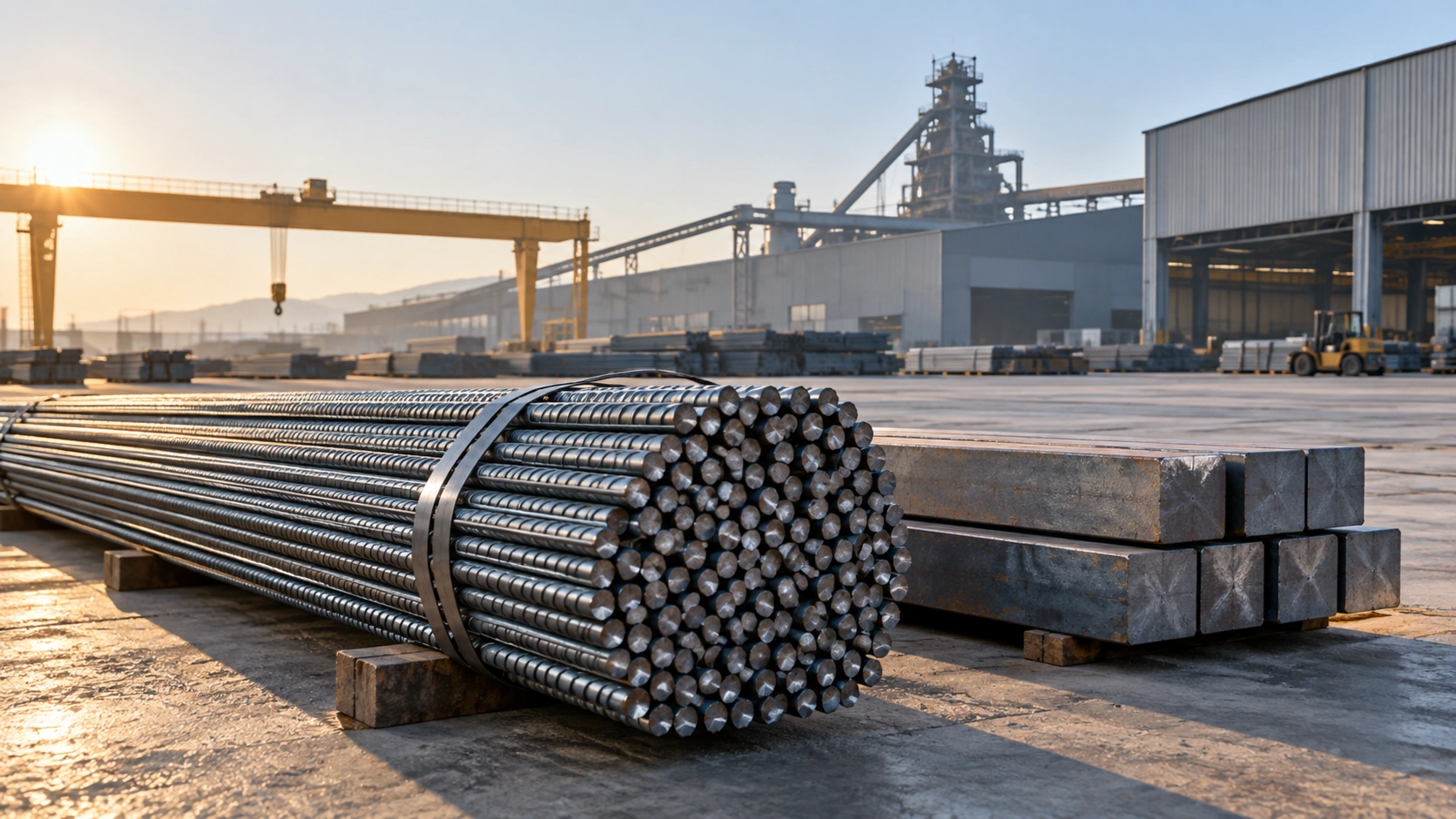
The Iranian steel market on September 29, 2026 is showing increasingly mixed price signals. While currency movements and replacement costs continue to support finished-steel prices, weak end-user demand is preventing the market from developing a broad and uniform upward trend. This has created a more selective market in which individual rebar producers are adjusting prices in different directions. تجارت نیوز
Latest rebar prices in Iran clearly reflect this divergence. Esfahan Steel’s 12 mm A3 rebar increased by around 1,000 tomans to approximately 102,730 tomans per kilogram, while Bafgh Yazd’s 14 mm A3 rebar fell by about 2,000 tomans to around 90,180 tomans. Ghaem Razi also recorded a decline, while 16 mm Nishabur rebar rose to roughly 88,180 tomans per kilogram. تجارت نیوز
The wider steel value chain provides an even more interesting picture. During the final week of September, direct reduced iron prices dropped by 10.4% despite full absorption of the offered volume. Steel billet prices, meanwhile, rose by only around 0.2% to a weighted average of approximately 70,951 tomans per kilogram. Rebar moved in the opposite direction, gaining about 2.6% while nearly 98% of the offered volume was sold. EA Investment
This divergence suggests that rebar pricing is no longer being driven by billet costs alone. Foreign-exchange movements, inventories, replacement costs, inflation expectations and buyer sentiment are increasingly shaping the finished-steel market. As a result, lower upstream costs do not automatically translate into immediate rebar price reductions.
The structural steel market is also showing signs of caution. Weak project demand and liquidity constraints have kept beam prices relatively stable, while sellers are resisting sharper declines. The combination of soft demand and persistent replacement costs is therefore keeping much of the market in a narrow and uncertain trading range. شرق
In the coming days, steel billet transactions on the Iran Mercantile Exchange, currency movements and actual construction demand will be key indicators. A renewed rise in billet prices could place fresh upward pressure on rebar, while continued weakness in end-user demand may limit price increases to selected producers and sizes.
Overall, the Iran iron and steel market appears to be in a price-discovery phase rather than a confirmed bullish or bearish trend. Buyers, mills and traders are likely to watch billet prices, exchange activity and real demand more closely before making larger purchasing or pricing decisions.